
Tokenized Real World Assets: The Complete Guide for 2026
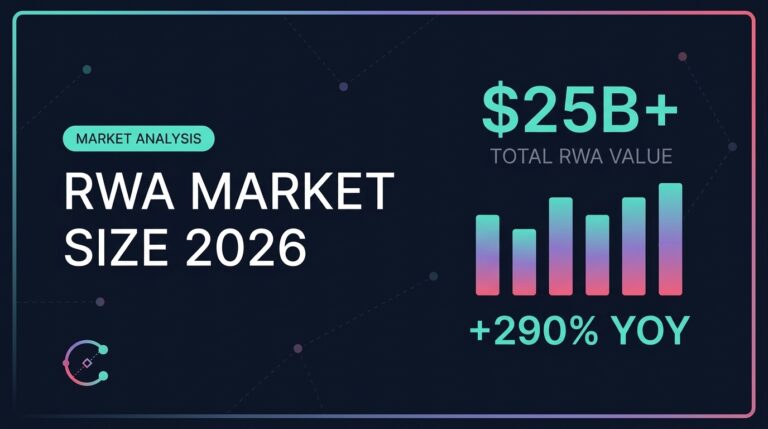
Tokenized real world assets represent ownership of physical and financial instruments recorded on a blockchain, and in 2026, the market has crossed $25 billion. What began as an experiment in digitizing gold and government bonds has evolved into a multi-asset, multi-chain ecosystem backed by the world’s largest financial institutions. BlackRock, JPMorgan, and the DTCC now operate tokenized real world assets infrastructure at scale, with six distinct asset categories each surpassing $1 billion in on-chain value.
This guide covers everything you need to know about tokenized real world assets in 2026: what they are, how the technology works, the current market landscape, the risks worth watching, and how to get started as an investor or institution. Whether you are exploring your first tokenized treasury product or evaluating a full-scale tokenization strategy, this is the most comprehensive resource available on the tokenized economy today.
Table of Contents
This guide begins with a definition of tokenized real world assets and how the technology works. It then examines the 2026 market data by asset class and profiles the institutions driving adoption. The following sections explore why these assets matter for investors, the risks and challenges to watch, and a practical framework for getting started with tokenized real world assets.
What Are Tokenized Real World Assets?
Tokenized real world assets are digital representations of physical, financial, or intangible assets that exist on a blockchain. Each token corresponds to a claim on an underlying asset, whether that asset is a US Treasury bill, a commercial property, a bar of gold, or a share in a private credit fund. The token itself is a smart contract that encodes ownership rights, transfer restrictions, and compliance logic directly into the code.
The concept is straightforward. Take an asset that traditionally requires intermediaries, paperwork, and days of settlement time, then convert it into a programmable digital token that can be transferred in seconds. The underlying asset remains in the physical world, held by a custodian or within a legal structure such as a special purpose vehicle. The token on the real world assets blockchain represents the investor’s fractional or full ownership of that asset.
How Tokenization Converts Physical Assets into Digital Tokens
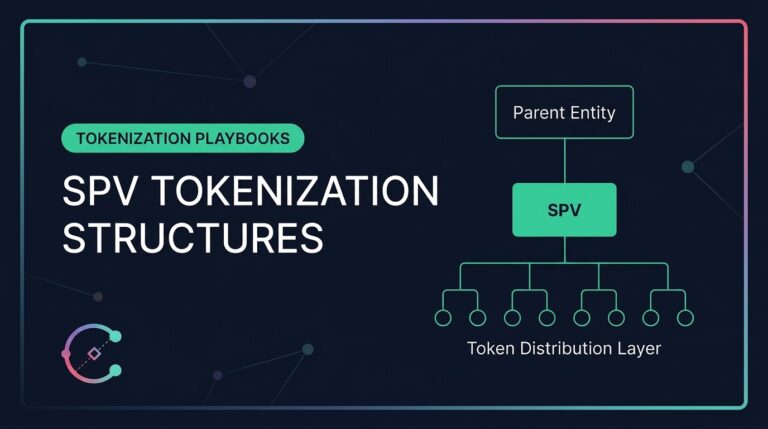
The tokenization process follows a consistent pattern across asset classes. An asset owner or issuer identifies the asset to be tokenized and works with legal counsel to establish the appropriate legal structure. In most cases, a special purpose vehicle holds the asset and issues tokens that represent shares in that vehicle. RWA tokenization explained in its simplest form is this: a legal wrapper around a real asset, with blockchain tokens representing shares of that wrapper.
A tokenization platform such as Securitize, Ondo Finance, or Centrifuge then handles the technical issuance. The platform creates smart contracts that define the token’s properties: how many tokens exist, who can hold them, what compliance checks are required for transfers, and how distributions like interest or rental income flow back to token holders. Once minted, these tokenized real world assets can be held in digital wallets, traded on secondary markets, or used as collateral in decentralized finance protocols.
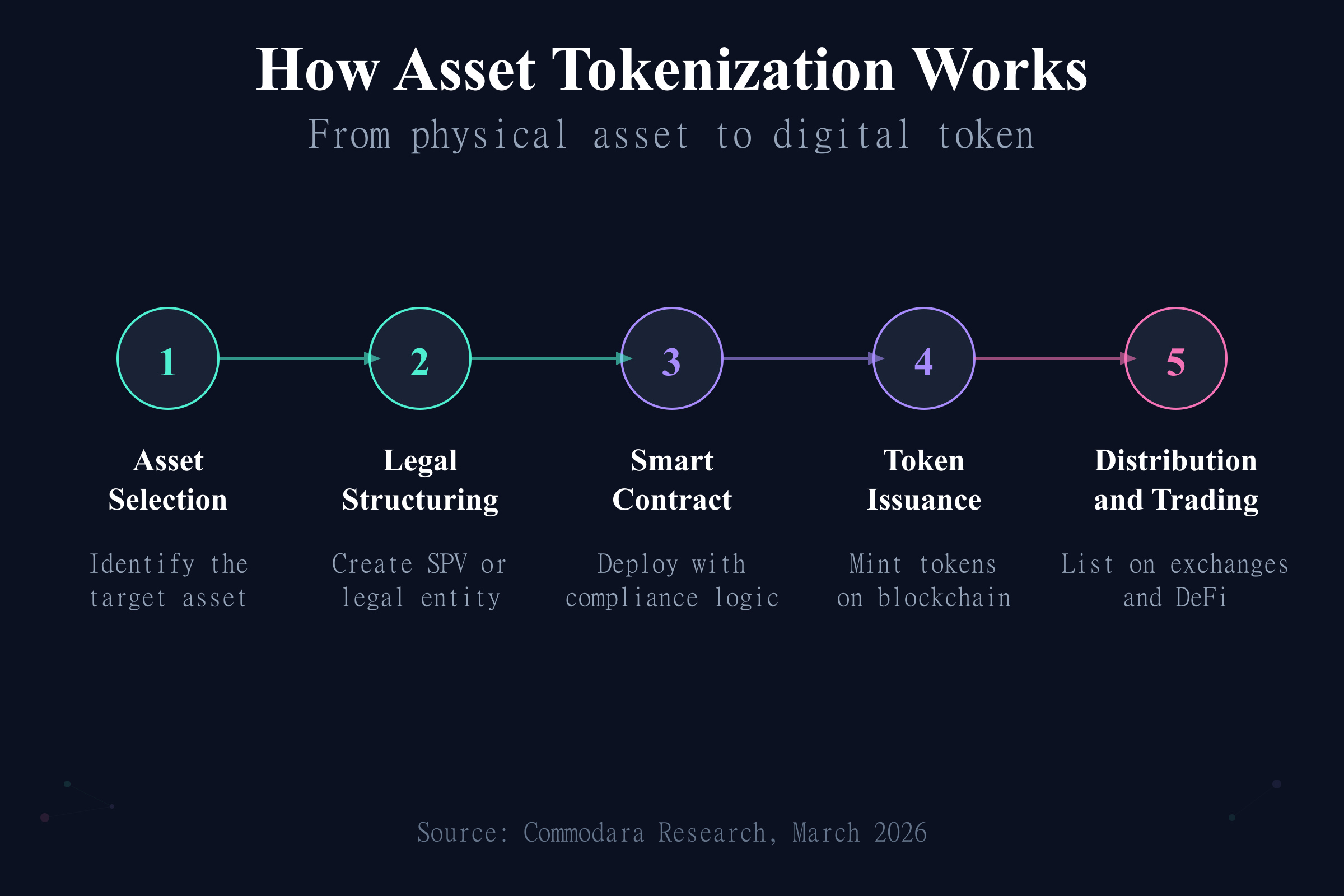
Compliance is embedded at the smart contract level. Unlike traditional cryptocurrencies, most tokenized real world assets restrict transfers to wallets that have completed identity verification. This compliance-first design is what separates the RWA tokenization market from the broader crypto ecosystem and makes these products attractive to institutional investors who require regulatory certainty before deploying capital.
Types of Real World Assets Being Tokenized in 2026
The tokenized real world assets landscape in 2026 spans six major categories. Tokenized treasuries lead the market at $8.7 billion, with products like BlackRock’s BUIDL and Ondo’s OUSG offering on-chain exposure to US government debt. Tokenized gold follows at $5.9 billion in market capitalization, dominated by Paxos Gold and Tether Gold. Private credit has grown rapidly to over $14 billion in on-chain origination through platforms like Maple Finance and Centrifuge.
Tokenized real estate, tokenized equities, and tokenized commodities beyond gold round out the ecosystem. Each asset class brings different regulatory requirements, liquidity profiles, and investor access models. The diversity of tokenized real world assets available today reflects the maturity of the infrastructure supporting them, and the range of options continues to expand as new platforms launch and existing platforms add asset classes. For anyone asking what is RWA crypto, the answer is increasingly broad.
The Tokenized Real World Assets Market in 2026
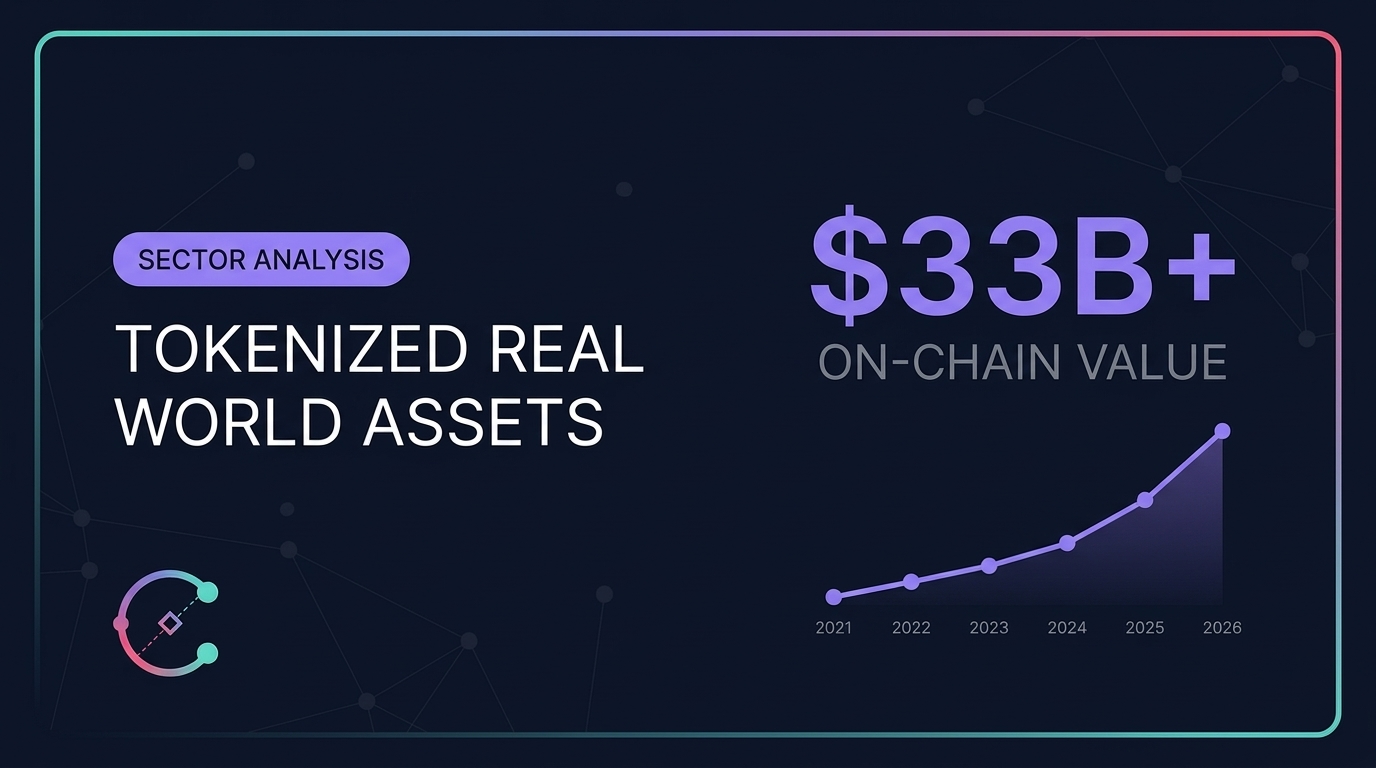
The tokenized real world assets market has grown from approximately $6.4 billion in early 2025 to over $25 billion by March 2026. This represents nearly a fourfold increase in just over one year. The acceleration has been driven by three forces: institutional entry at scale, regulatory clarity in key jurisdictions, and the maturation of tokenization platforms capable of compliance-grade issuance. According to CoinDesk reporting, the pace of growth has exceeded most industry projections from 2024.
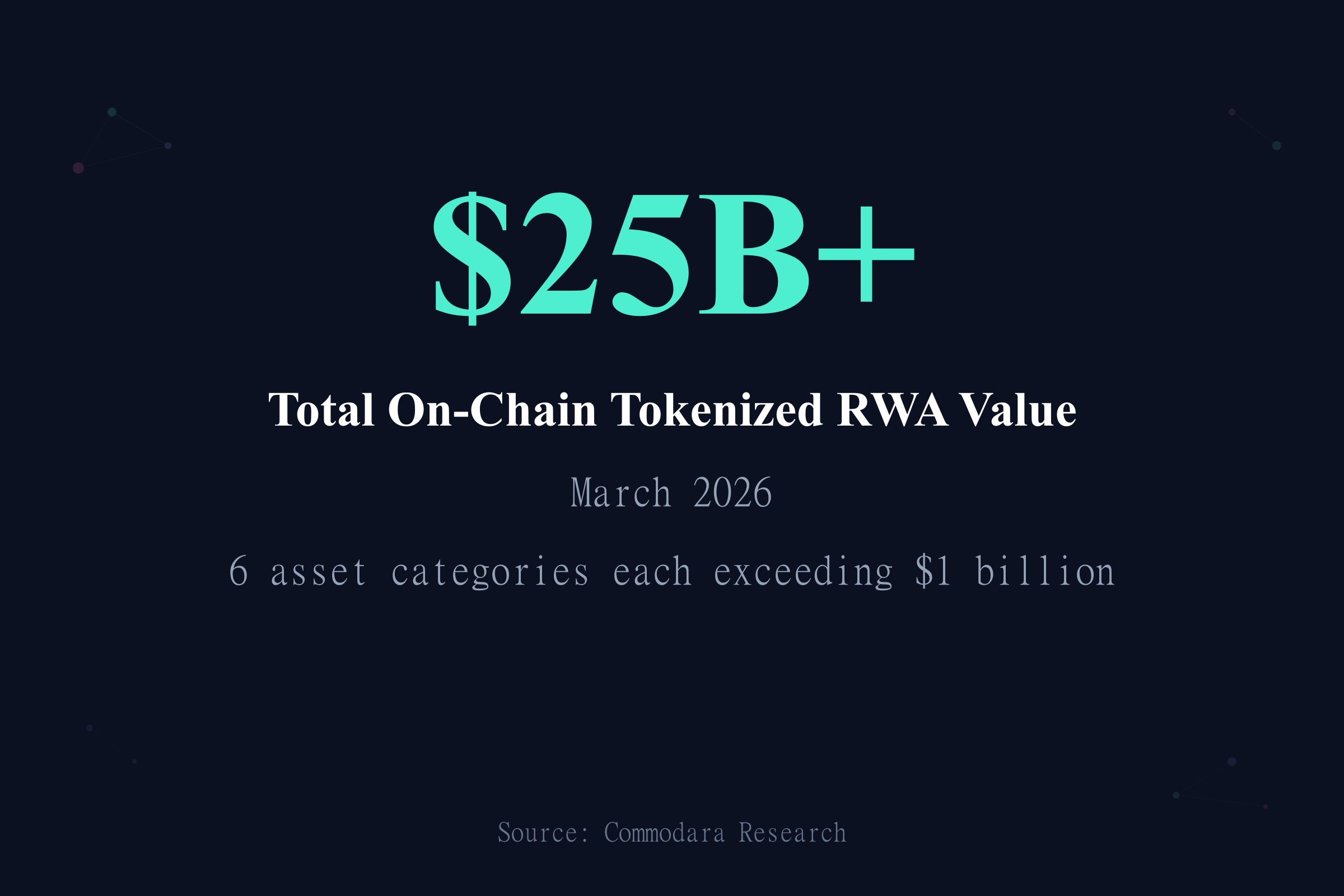
Six asset categories now each exceed $1 billion in on-chain value. This milestone, which analysts predicted would not arrive until 2027, signals that tokenized real world assets have moved beyond the proof-of-concept phase and into production-grade financial infrastructure. The shift from experimentation to deployment is the defining story of tokenized assets 2026.
Growth by Asset Class
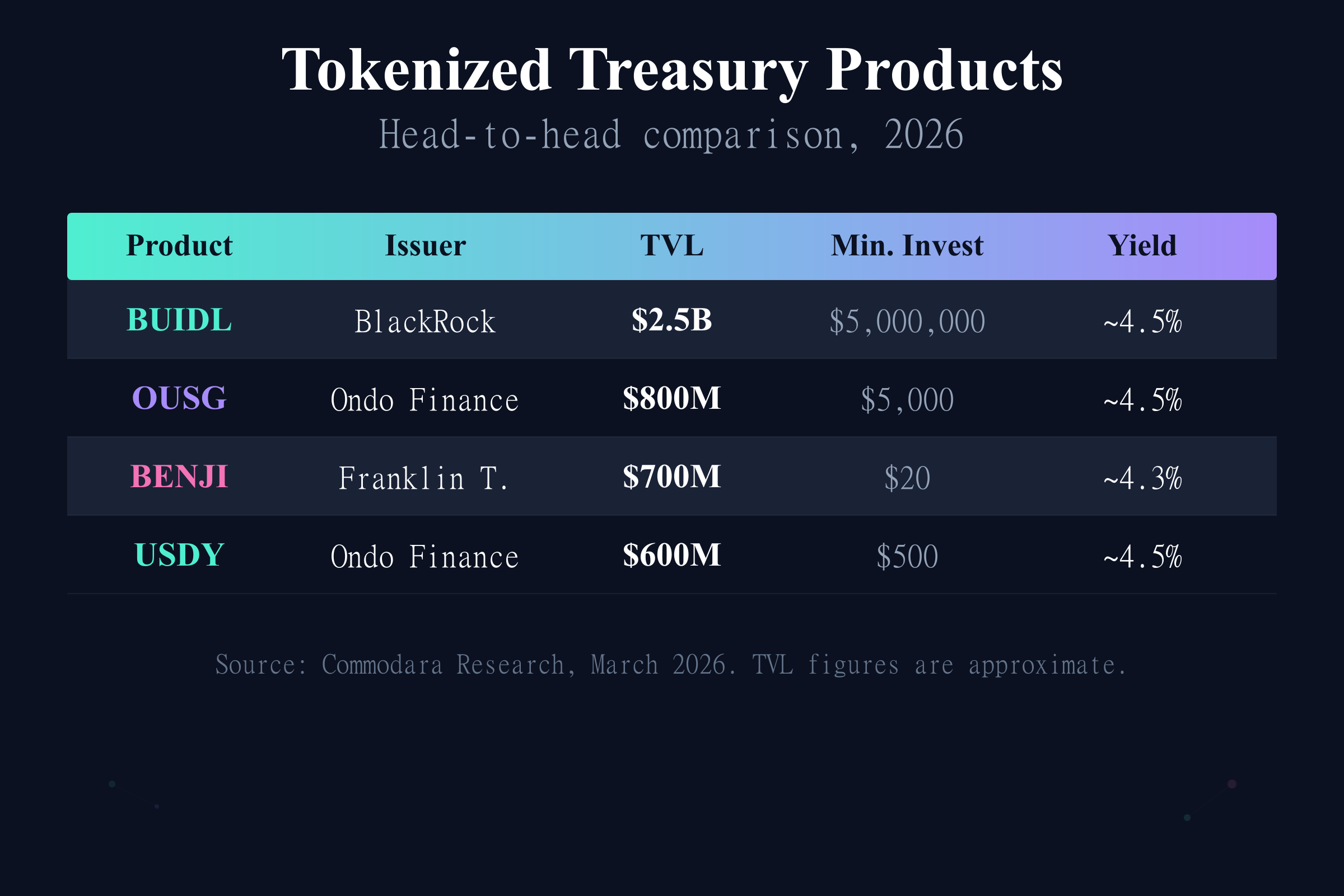
Tokenized US treasuries remain the dominant category within the tokenized real world assets market. The sector reached $8.7 billion in total value, driven by institutional demand for on-chain yield products that combine the safety of government-backed debt with the efficiency of blockchain settlement. BlackRock’s BUIDL fund alone accounts for over $2.5 billion, while Ondo Finance’s OUSG and Franklin Templeton’s BENJI collectively represent another $2 billion. The $33 billion RWA market reality check provides deeper context on how these numbers compare to traditional market benchmarks.
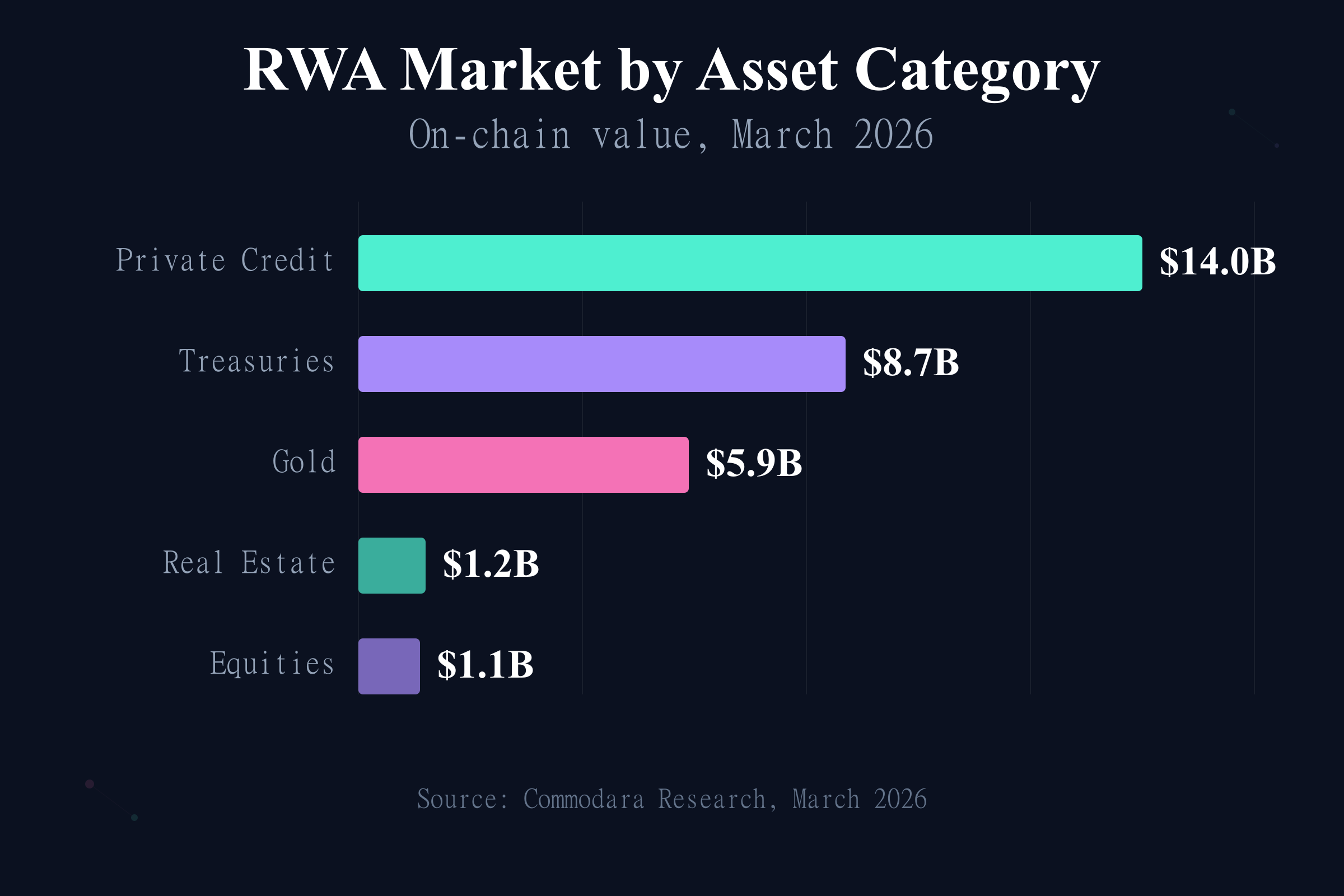
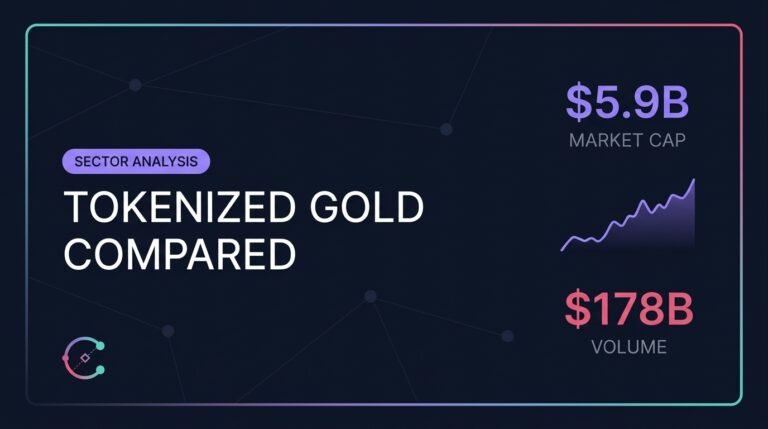
Tokenized gold reached $5.9 billion in market capitalization with $178 billion in annual trading volume, making it the second-largest gold investment product globally by volume. On-chain private credit has surpassed $14 billion in cumulative origination, with Maple Finance and Centrifuge leading institutional lending. Real world assets blockchain deployments are not limited to financial products: tokenized real estate, while smaller in on-chain value at approximately $1.2 billion, has attracted significant pilot programs from developers across the Middle East, Europe, and Southeast Asia.
Institutions Leading the Charge
The institutional landscape for tokenized real world assets in 2026 is defined by a handful of dominant players whose commitments have validated the entire market. BlackRock’s entry through the BUIDL fund signaled to the asset management industry that tokenization is not a fringe experiment but a strategic infrastructure upgrade. JPMorgan’s Onyx division continues to expand its tokenized repo and collateral management systems. The DTCC, which settles over $2 quadrillion in securities annually, has deployed its Digital Securities Management platform on the Canton Network blockchain.
These are not pilot programs. They are production systems processing real capital at institutional scale. The full picture of how BlackRock, JPMorgan, and DTCC are building institutional tokenization infrastructure reveals the depth of commitment from traditional finance. Goldman Sachs, Franklin Templeton, and WisdomTree have also launched or expanded tokenized fund offerings. Boston Consulting Group projects the tokenized asset market could reach $16 trillion by 2030, further cementing tokenized real world assets as a permanent layer of the global financial system.
Why Tokenized Real World Assets Matter for Every Investor
The significance of tokenized real world assets extends beyond the technology itself. These instruments address structural inefficiencies in how assets are owned, transferred, and settled across the global financial system. For retail investors, they unlock access to asset classes that were previously reserved for the wealthy or for institutional allocators. For institutions, they deliver operational efficiencies that reduce costs and compress settlement windows from days to minutes.
Fractional Ownership Opens the Door
One of the most compelling features of tokenized real world assets is fractional ownership. A commercial property worth $50 million can be divided into millions of tokens, allowing an investor to gain exposure with as little as $100. This is not a theoretical concept. Platforms like RealT and Lofty already offer fractionalized real estate tokens to retail investors across multiple jurisdictions.
The same principle applies to private credit, fine art, and infrastructure projects. Asset classes that once required minimum investments of $250,000 or more are now accessible through tokenization. This democratization does not eliminate investment risk, but it does eliminate the artificial barrier of minimum investment size that excluded most of the world’s population from premium asset classes. Fractional ownership through tokenization is one of the clearest examples of how real world assets blockchain technology creates tangible value for everyday investors.
Faster Settlement and Greater Transparency
Traditional securities settle in one to two business days through centralized clearinghouses. Tokenized real world assets settle in minutes or seconds, depending on the blockchain and the compliance checks involved. This speed reduces counterparty risk and frees up capital that would otherwise remain locked during the settlement window. For institutional portfolios managing billions in assets, even a one-day reduction in settlement time unlocks significant capital efficiency.
Transparency is another structural advantage that makes tokenized real world assets attractive to a growing range of investors. Every transaction, every ownership transfer, and every distribution payment is recorded on a public or permissioned blockchain. Investors can verify their holdings in real time rather than relying on monthly statements from custodians. This on-chain auditability is particularly valuable in an environment where regulators and investors alike are demanding greater transparency from financial institutions and asset managers.
Risks and Challenges in the Tokenized Asset Economy
Tokenized real world assets carry risks that investors must evaluate carefully before allocating capital. The market is maturing rapidly, but several structural challenges remain unsolved in 2026. Understanding these risks is just as important as understanding the opportunities.
Regulatory Fragmentation Across Jurisdictions
Despite significant progress in 2025 and 2026, the regulatory landscape for tokenized real world assets remains fragmented across jurisdictions. The European Union’s MiCA framework provides clarity for EU-based issuers and service providers. The US GENIUS Act has established rules for stablecoins, which serve as the primary settlement currency for most tokenized products. However, the classification of tokenized securities, the treatment of cross-border transfers, and custody requirements still vary dramatically from one country to the next.
Issuers operating across multiple markets face a complex web of compliance obligations. A tokenized fund that is fully compliant in Singapore may not meet requirements in the United States or the European Union. This regulatory fragmentation increases legal costs and limits the potential for truly global secondary markets. Investors should understand which jurisdiction governs their token and what investor protections that jurisdiction provides before committing capital to any tokenized real world assets product.
Liquidity Constraints and Market Maturity
Liquidity remains the most significant practical challenge facing tokenized real world assets in 2026. While primary issuance has grown dramatically, secondary market trading volumes for most tokenized products remain thin compared to traditional markets. An investor who purchases a tokenized real estate token may not find a buyer at a fair price when they decide to exit their position.
The market is actively working to solve this constraint. Exchanges like INX and tZERO offer regulated secondary trading for security tokens, and several decentralized exchanges have begun supporting compliant trading pools for RWA tokens. Still, the liquidity available for most tokenized real world assets today does not approach what traditional securities markets offer. Investors should treat most tokenized products as medium to long-term holdings rather than instruments they can trade freely on short notice. This liquidity gap is perhaps the most important factor to weigh when evaluating tokenized assets 2026.
How to Start Investing in Tokenized Real World Assets
Getting started with tokenized real world assets requires the same disciplined approach as any investment decision, with a few blockchain-specific considerations layered on top. The platform you choose, the due diligence you perform, and the asset class you select will determine your experience as an investor in this emerging market.
Choosing the Right Platform
The platform you choose determines which tokenized real world assets you can access, what compliance requirements you must meet, and how easily you can exit your position. Centralized platforms like Coinbase and Binance offer exposure to select tokenized products with familiar user interfaces. Specialized platforms like Ondo Finance and Securitize provide direct access to institutional-grade tokenized funds with higher minimums and stricter investor qualification requirements.
Each platform operates under different regulatory frameworks and offers different asset types. Ondo’s USDY product is available to non-US investors with a $500 minimum investment, while BlackRock’s BUIDL fund requires accredited investor status and a $5 million minimum through Securitize. Evaluating your own regulatory status, investment size, and target asset class is the essential first step. The Commodara Tokenization Readiness Tool can help you assess your readiness and identify the platforms best suited to your profile.
What to Evaluate Before You Invest
Due diligence for tokenized real world assets follows many of the same principles as traditional investing, with several blockchain-specific considerations. First, verify the legal structure: identify who holds the underlying asset, what entity issued the tokens, and which jurisdiction governs the arrangement. Second, examine the smart contract: confirm it has been independently audited and that it enforces the compliance logic the issuer claims.
Third, assess liquidity: determine whether you can sell the token on a secondary market and what typical trading volumes look like. Fourth, understand the fee structure, because tokenized products often carry management fees, redemption fees, and gas costs for on-chain transactions. Finally, evaluate the custodial model: confirm the underlying asset is held by a regulated custodian and understand what happens to your investment in the event of platform failure or issuer insolvency.
Frequently Asked Questions
What are tokenized real world assets and how do they work?
Tokenized real world assets are digital tokens on a blockchain that represent ownership of physical or financial assets such as real estate, gold, bonds, or private credit. They work through smart contracts that encode ownership rights, compliance rules, and distribution logic, enabling assets to be traded and settled digitally with reduced friction and greater transparency than traditional financial instruments.
Are tokenized real world assets safe to invest in?
Safety depends on the legal structure, custodial arrangement, and regulatory framework governing the specific product. Products backed by regulated custodians and issued under recognized legal frameworks carry lower risk than unregulated offerings. Investors should always verify the underlying asset, the issuer’s compliance status, and the smart contract’s independent audit history before investing capital.
How much money do I need to invest in tokenized assets?
Minimum investments range from as low as $1 on some retail platforms to $5 million or more for institutional products like BlackRock’s BUIDL. Retail-focused products like Ondo’s USDY start at approximately $500. Fractional ownership through tokenization means that previously inaccessible premium assets can be purchased with relatively modest amounts of capital.
What is the difference between tokenized assets and cryptocurrency?
Cryptocurrencies like Bitcoin and Ethereum are native digital assets with no underlying physical backing. Tokenized real world assets represent claims on tangible or financial assets held by custodians in the physical world. They are typically classified as securities and regulated accordingly, unlike most cryptocurrencies which operate outside traditional securities frameworks.
Which blockchains are most used for tokenized real world assets?
Ethereum remains the dominant blockchain for tokenized real world assets, hosting the majority of tokenized treasury and private credit products. Stellar, Solana, Polygon, Avalanche, and the Canton Network also support significant RWA activity. Different blockchains are favored for different asset classes and institutional requirements based on speed, cost, and regulatory compatibility.
The Bottom Line
Tokenized real world assets have crossed the threshold from experiment to production infrastructure in 2026. With over $25 billion in on-chain value, institutional backing from the world’s largest asset managers, and regulatory frameworks taking shape across major jurisdictions, the tokenized economy is no longer a question of whether it will arrive but how quickly it will scale.
The opportunities are substantive: fractional ownership, faster settlement, greater transparency, and access to asset classes that were previously out of reach for most investors. The risks are equally real: regulatory fragmentation, liquidity constraints, and the early-stage maturity of secondary markets. Informed investors who understand both sides of the equation are best positioned to participate effectively in this evolving market.
The infrastructure being built today for tokenized real world assets will shape how the next generation of financial markets operates. Whether you are a retail investor exploring your first tokenized treasury product or an institution evaluating a comprehensive tokenization strategy, the time to understand this market is now. Subscribe to the Commodara newsletter for weekly intelligence on the developments that matter most in the tokenized economy.